8 Unforgettable Open House Ideas Real Estate Agents Are Using in 2025
The traditional open house, with its sign-in sheet and stack of flyers, is no longer enough to capture the attention of discerning buyers. In a competitive market, success hinges on creating memorable, engaging experiences that don't just showcase a property's features but also tell its unique story. This means moving beyond passive viewings and transforming your event into a strategic marketing tool designed to forge an emotional connection.
The goal is to help potential buyers envision their future within those four walls, turning a simple walkthrough into a compelling preview of their new life. This comprehensive guide explores eight powerful open house ideas real estate professionals are leveraging to drive more traffic, generate qualified leads, and ultimately, sell homes faster and for a better price.
We will dive deep into actionable strategies, from tech-forward virtual showcases to immersive, sensory-driven events that engage all five senses. Each section provides the practical, step-by-step details you need to implement these concepts effectively. Forget the stale cookies; it's time to make your next open house an undeniable, lead-generating success that stands out from the competition. Get ready to elevate your approach and see a tangible return on your efforts.
1. Virtual Open House Tours
In today's digitally driven market, a virtual open house is no longer a novelty; it’s a necessity. This powerful tool allows potential buyers to explore a property from the comfort of their home, eliminating geographical barriers and scheduling conflicts. By leveraging technology like 3D walkthroughs, 360-degree photography, and live-streamed video tours, you can significantly broaden your audience and attract serious, pre-qualified leads.
How to Implement a Virtual Tour
Implementing a successful virtual tour involves more than just pointing a camera. The goal is to create an immersive and informative experience that feels just as engaging as an in-person visit.
- Choose Your Format: Decide between a pre-recorded video walkthrough, a live-streamed event on platforms like YouTube or Facebook Live, or a high-tech 3D model from providers like Matterport. Each offers a different level of interactivity and reach.
- Invest in Quality: Professional photography and videography are non-negotiable. High-resolution visuals, stable footage, and clear audio are essential for showcasing the property’s best features. Consider adding drone footage to highlight the exterior, landscaping, and neighborhood context.
- Enhance with Technology: To take your virtual showcase a step further, consider pairing it with digital enhancements. You can use specialized tools to furnish an empty room or update an outdated space. For more information, explore some of the best real estate virtual staging software options available.
Maximizing Engagement
A virtual tour should be an active, not passive, experience. To ensure your virtual open house stands out and effectively engages potential buyers, it's essential to follow proven virtual event best practices. This includes scheduling the tour during optimal lighting hours (typically mid-morning or early afternoon) and having a detailed property description readily available. During a live event, actively answer questions from the chat and be prepared to follow up immediately with viewers who express interest. This strategy is one of the most effective open house ideas for real estate agents looking to capture a wider, more diverse pool of buyers.
2. Themed Open House Events
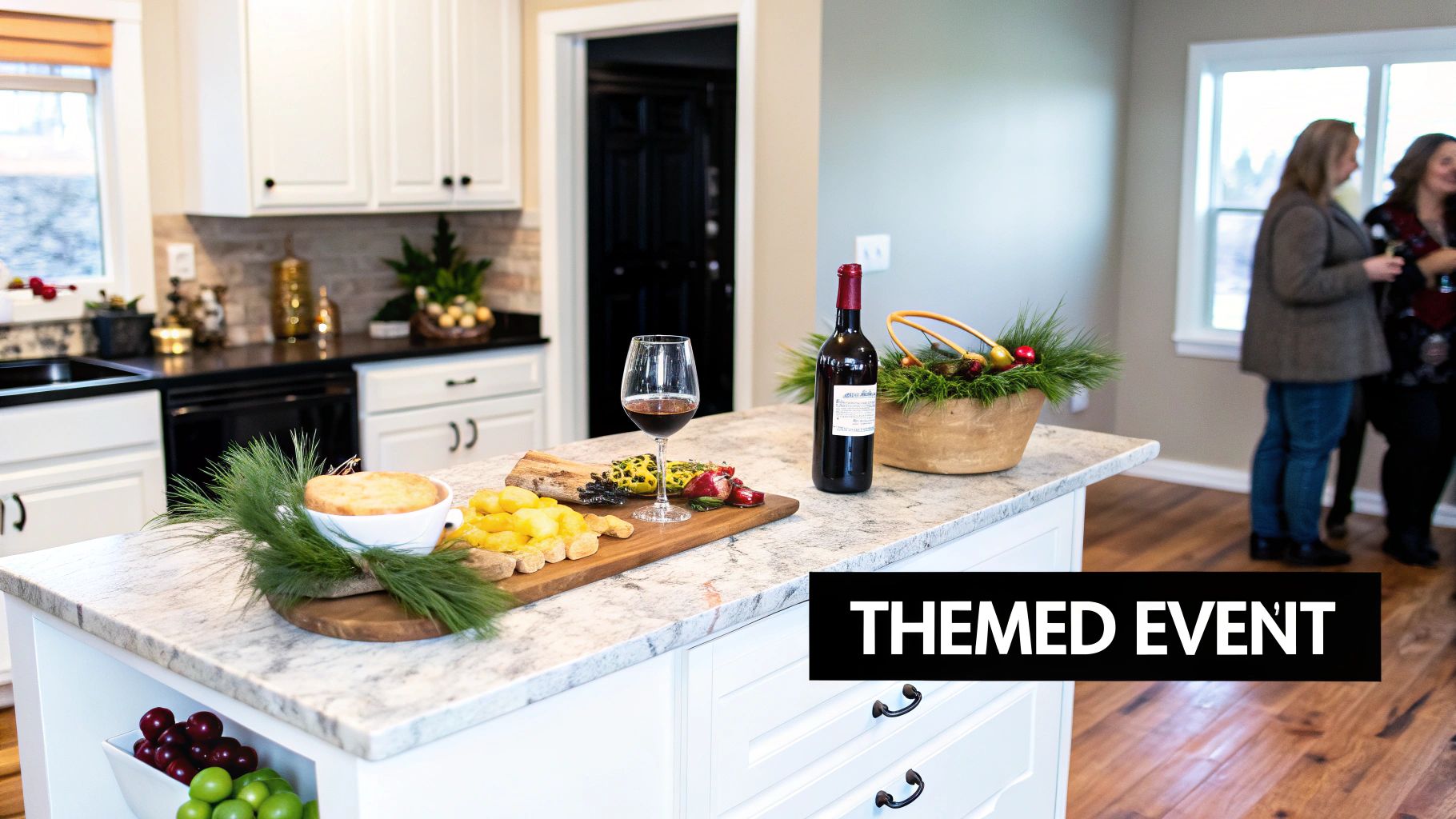
Transforming a standard property viewing into a memorable event can dramatically increase foot traffic and leave a lasting impression on potential buyers. A themed open house moves beyond the traditional model by creating a specific atmosphere that not only showcases the home but also offers an engaging experience. This strategy helps potential buyers emotionally connect with the property, envisioning themselves living and entertaining in the space.
How to Implement a Themed Event
Executing a successful themed open house requires careful planning to ensure the theme complements, rather than distracts from, the property's key features. The goal is to create an ambiance that feels authentic and aspirational.
- Align Theme with the Property: Choose a theme that highlights the home's unique selling points. For a house with a gourmet kitchen, a "farm-to-table" brunch is a perfect fit. A property with a beautiful garden or patio could host a "garden party" or "backyard BBQ" theme.
- Plan the Details: Consider logistics carefully. Opt for simple, low-mess refreshments like a wine and cheese tasting or a coffee and pastry bar. For seasonal events, tasteful holiday decorations can make a home feel warm and inviting, helping buyers picture future celebrations.
- Promote the Experience: Market the event, not just the house. Use social media, email newsletters, and flyers to advertise the unique theme. Phrases like "Join us for a Sunset Wine Tasting" are more compelling than a standard open house announcement.
Maximizing Engagement
A themed event's success is measured by how well it converts attendees into serious leads. To achieve this, your focus must remain on connecting the experience back to the property itself. Staff should be strategically positioned to guide conversations from the theme to the home's features, such as discussing the kitchen's layout during a brunch event. Providing guests with high-quality, branded takeaways is also crucial. For more ideas on what to prepare, explore these effective real estate agent marketing materials that can keep you top-of-mind. This approach is one of the most creative open house ideas for real estate agents wanting to generate buzz and attract buyers on a deeper, more personal level.
3. Smart Home Technology Showcases
In an increasingly connected world, showcasing a home’s smart features is a powerful way to attract modern buyers. A smart home technology showcase moves beyond a simple features list, offering live demonstrations of integrated systems like security, climate control, lighting, and entertainment. This approach highlights the convenience, energy efficiency, and futuristic appeal of the property, providing a tangible experience of what it’s like to live there.
How to Implement a Smart Home Showcase
Successfully demonstrating smart technology requires careful planning to ensure a seamless and impressive experience. The goal is to make advanced features feel accessible and highly desirable.
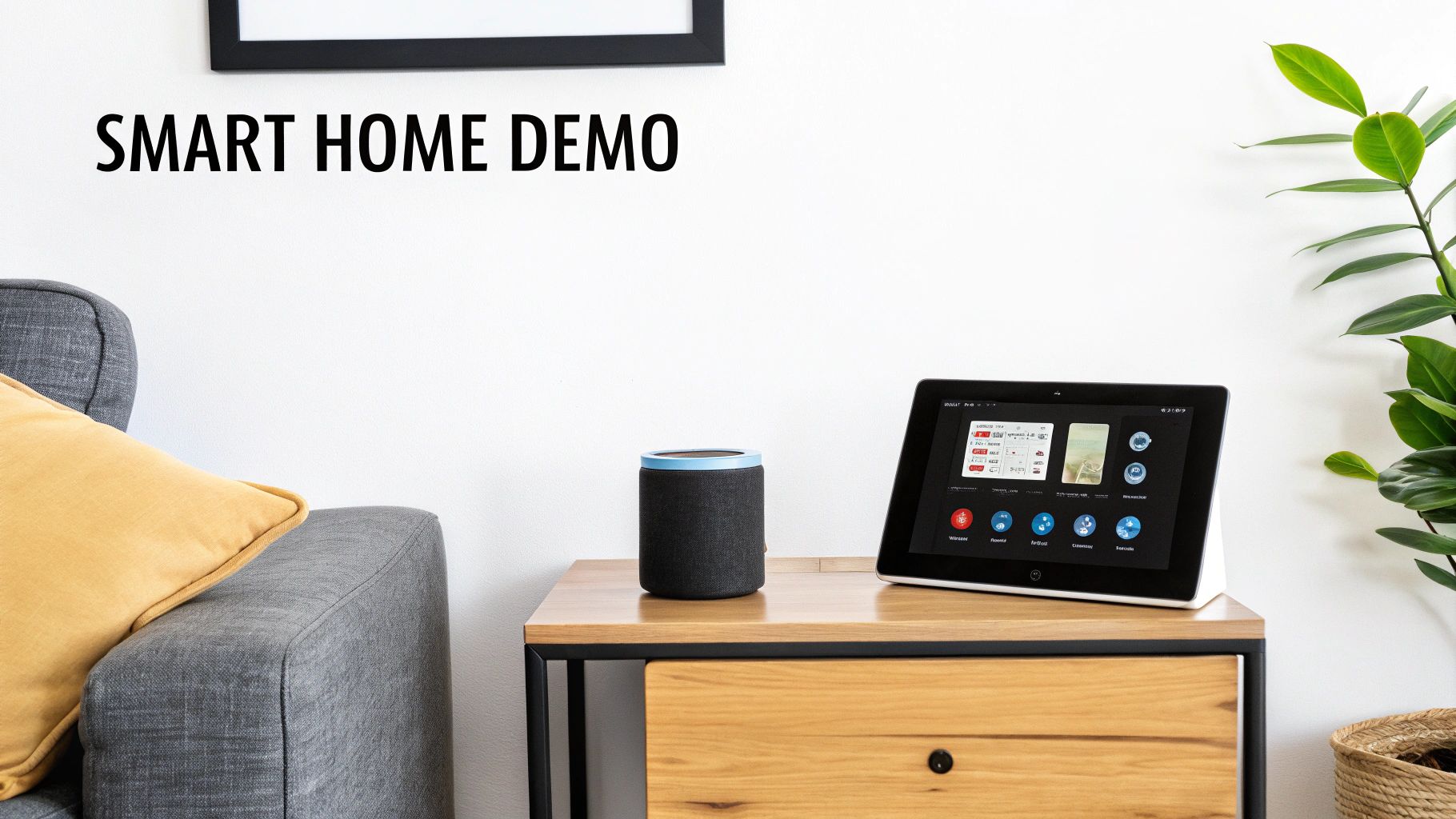
- Prepare for Demonstration: Before the event, thoroughly test every smart device. Ensure Wi-Fi is strong and reliable throughout the home. Create a few preset "scenes," such as a "Welcome Home" scene that adjusts lights, plays soft music, and sets the thermostat, to demonstrate the power of automation with a single command.
- Create Interactive Stations: Set up dedicated stations for different smart features. For example, have a tablet near the smart thermostat showing energy savings data, or place a smart speaker in the living room and encourage guests to ask it to turn on the lights or play a song.
- Provide Clear Information: Not all buyers are tech-savvy. Create simple, one-page instruction sheets or small placards explaining how each feature works and its key benefits. Highlighting potential ROI or monthly energy savings can be particularly persuasive.
Maximizing Engagement
A smart home tour should feel both impressive and practical. To make this one of your most effective open house ideas for real estate, focus on hands-on interaction and clear explanations of the lifestyle benefits.
Position a team member who is knowledgeable about the technology to guide visitors, answer questions, and perform live demonstrations. They can show how systems like Google Home or Alexa integrate with various devices, transforming a collection of gadgets into a cohesive smart home ecosystem. This interactive approach helps buyers envision themselves enjoying the convenience and security, making the property far more memorable.
4. Lifestyle and Entertaining Open Houses
Instead of simply showing a house, this strategy sells a lifestyle. A lifestyle and entertaining open house is designed to showcase the property's potential for hosting and social gatherings. By staging a light social event, you allow potential buyers to experience the home's flow, ambiance, and functionality in a real-world context, making it one of the most compelling open house ideas real estate agents can employ.
How to Implement a Lifestyle Open House
The key is to create an authentic experience that highlights the home's unique entertaining features, such as a gourmet kitchen, a spacious patio, or a finished basement. This approach transforms visitors from passive observers into active participants who can envision themselves living and hosting in the space.
- Theme the Event: Tailor the event to the property's strengths. Host a sunset cocktail hour for a home with a waterfront view, a poolside mocktail party for a house with a great outdoor space, or a wine and cheese tasting for a property with a sophisticated dining room.
- Focus on Key Areas: Stage and activate the primary entertaining zones. If the kitchen is a selling point, have a local chef prepare simple appetizers on the island. For a home with a great backyard, set up lawn games and comfortable seating around a fire pit.
- Subtle, Professional Execution: Ensure the event enhances, rather than distracts from, the property. Use professional catering or staff to manage food and drinks, keeping the focus on the home itself. The goal is to demonstrate potential, not throw a party.
Maximizing Engagement
A lifestyle open house is an excellent tool for attracting buyers who prioritize entertaining and community. To make the most of this strategy, planning is crucial. Schedule the event at a time that aligns with its theme, such as a weekend afternoon for a family-friendly barbecue or a weekday evening for a "happy hour" style tour. Have marketing materials ready that explicitly detail the home’s entertaining features, like appliance models or patio dimensions. This method not only creates a memorable experience but also helps buyers form a powerful emotional connection to the property.
5. Neighborhood and Community Focused Open Houses
Selling a house is about selling a lifestyle, and a community-focused open house powerfully demonstrates this concept. This approach shifts the spotlight from just the property’s four walls to the vibrant neighborhood surrounding it. By showcasing local amenities, businesses, and the overall community spirit, you position the home as the gateway to a desirable way of life, not just a place to live.
How to Implement a Community-Focused Event
Transforming a standard open house into a neighborhood showcase requires strategic local partnerships and a focus on experience. The goal is to make potential buyers feel like they are already part of the community from the moment they arrive.
- Partner with Local Businesses: Invite a popular local coffee shop to serve drinks, a neighborhood bakery to provide treats, or a well-known food truck to park outside. This not only offers great refreshments but also provides an authentic taste of the local culture.
- Create a Community Information Hub: Set up a dedicated area with maps highlighting nearby parks, trails, and public transport. Display brochures from local businesses, menus from top-rated restaurants, and information about upcoming community events or farmers' markets.
- Showcase Educational Excellence: For family-oriented neighborhoods, providing detailed information on local schools is crucial. Display school rankings, test scores, and unique program offerings. This tangible data helps buyers make informed decisions and is one of the most effective open house ideas real estate agents can use to attract families.
Maximizing Engagement
A community-focused event thrives on creating authentic connections and painting a vivid picture of life in the area. Your role is to be the community ambassador, connecting the dots between the property and the lifestyle it enables.
Feature testimonials from current residents about why they love living there. You can present these as printed quotes or a short video loop playing on a screen. Additionally, coordinating with a few neighbors to have their homes open for a "neighborhood tour" can amplify the event's appeal, creating a block-party atmosphere that makes the entire area feel welcoming and cohesive.
6. Design and Staging Excellence Open Houses
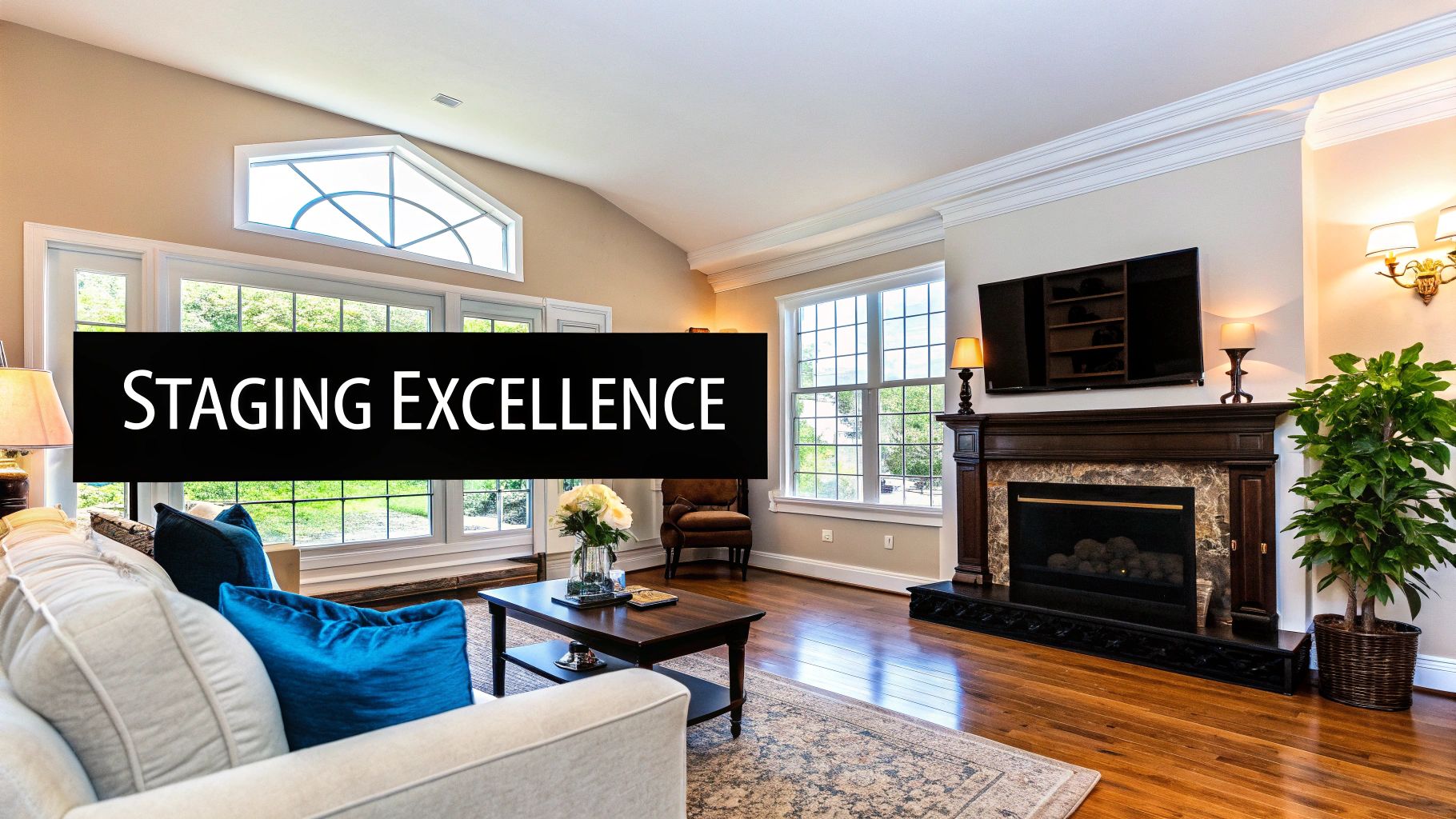
Transforming a property into a design showcase is one of the most powerful open house ideas for real estate agents aiming to capture the imagination of discerning buyers. This approach goes beyond basic tidying; it involves professional, high-end staging that highlights the home's architectural features, flow, and potential. By creating a meticulously curated environment, you help buyers visualize their future life in the space, making an emotional connection that often translates into a stronger offer.
How to Implement Design Excellence
Executing a staging-focused open house requires a strategic partnership with design professionals to elevate the property's appeal. The goal is to present a move-in-ready aesthetic that feels both aspirational and attainable, showcasing the home at its absolute best. For a deeper understanding of the process, review some expert tips on how to stage a home for selling.
- Hire Certified Professionals: Partner with a certified staging company or interior designer. Their expertise in furniture placement, color theory, and accessory selection is invaluable for creating a cohesive and inviting atmosphere that appeals to a broad audience.
- Focus on Flow and Light: The primary objective of staging is to make spaces feel larger, brighter, and more functional. This involves decluttering, depersonalizing, and arranging furniture to create clear pathways and draw attention to key features like windows and high ceilings.
- Host a Designer Q&A: Elevate the experience by having the stager or a local interior designer present during the open house. They can answer specific questions about furniture layout, paint colors, or potential renovation ideas, adding significant value for prospective buyers.
Maximizing the Impact
A well-staged home not only looks better in photos but also creates a lasting impression on visitors. It helps them overcome objections by demonstrating solutions for awkward layouts or small rooms. For practical advice on enhancing your property's appeal and ensuring a swift transaction, explore these 7 valuable home staging tips for a faster sale. The key is to neutralize the space by removing personal photos and bold decor, allowing buyers to mentally "move in" without distraction. This strategic investment in presentation can significantly shorten market time and increase the final sale price.
7. Educational and Interactive Open Houses
Transform your open house from a simple showing into a valuable educational event to build trust and demonstrate expertise. By incorporating interactive elements and expert insights, you position yourself as a knowledgeable advisor, not just a salesperson. This approach attracts serious buyers who are eager to learn more about the homeownership journey, making it one of the most effective open house ideas real estate agents can use to foster genuine connections.
How to Implement an Educational Open House
The key is to offer tangible value that goes beyond the property itself. By providing information and access to experts, you help buyers make more confident and informed decisions, building significant goodwill and credibility.
- Host Expert "Mini-Sessions": Partner with local professionals to create informational stations. A mortgage lender can offer on-the-spot pre-qualification advice, an inspector can discuss common maintenance items, or a contractor can present renovation possibilities for a specific area like the kitchen or basement.
- Create Interactive Displays: Instead of just listing features, showcase them. Set up a tablet displaying a home’s smart technology in action, create a board illustrating potential floor plan changes, or highlight energy-efficient windows with information on utility savings.
- Provide Valuable Takeaways: Prepare high-quality informational handouts. These could include a first-time homebuyer's checklist, a guide to the local neighborhood, or a summary of the property's unique features and upgrade history.
Maximizing Engagement
An educational event thrives on interaction. Your goal is to create a dynamic environment where guests feel comfortable asking questions and engaging with the information provided. Schedule brief, 10-minute presentations at regular intervals, such as a quick talk from an HVAC specialist on energy efficiency or a designer discussing staging tips. Position experts in relevant areas of the home, for example, placing the contractor in the room with the most renovation potential. Always encourage questions and follow up with attendees by sending them additional resources related to the topics they showed interest in. This strategy not only captures leads but also nurtures them with continued value.
8. Multi-Sensory Experience Open Houses
Creating a memorable open house goes beyond visual appeal; it's about crafting an atmosphere that potential buyers can connect with emotionally. A multi-sensory experience engages sight, sound, smell, taste, and touch to forge a powerful, lasting impression. By carefully curating these elements, you can transform a simple walkthrough into an immersive event that helps buyers envision themselves living in the space, making it one of the most effective open house ideas real estate agents can employ.
How to Implement a Multi-Sensory Experience
Implementing a multi-sensory strategy requires a thoughtful approach to each sense, ensuring they work in harmony to enhance the property's best features without overwhelming visitors. The goal is to create a subtle yet impactful ambiance.
- Curate Scents and Sounds: Introduce a subtle, universally pleasant scent like fresh linen, green tea, or a hint of citrus. Avoid strong or specific smells that could be divisive. Pair this with a soft, ambient playlist of instrumental or lo-fi music played at a low volume to create a relaxing and welcoming environment.
- Engage Taste and Touch: Offer simple, high-quality refreshments like gourmet cookies, infused water, or artisanal chocolates. Incorporate varied textures in your staging, such as plush throw blankets, velvet pillows, or a smooth wooden coffee table, to invite tactile exploration.
- Optimize Visuals and Comfort: Ensure the home's temperature is comfortable and adjust the lighting throughout the day. Use a combination of natural light and warm, layered artificial lighting to highlight architectural details and create a cozy, inviting feel.
Maximizing Engagement
A successful multi-sensory open house feels authentic and sophisticated, not staged or artificial. The key is subtlety and cohesion. For instance, in a modern, minimalist home, a clean scent like white tea, a playlist of contemporary classical music, and sleek textures will feel more appropriate than the scent of baked goods. For a rustic farmhouse, warm wood scents, folk music, and cozy, knitted materials would be a better fit. This tailored approach shows attention to detail and helps buyers form a deeper emotional connection, making your listing stand out in a crowded market.
8-Point Open House Ideas Comparison
| Title | Implementation Complexity 🔄 | Resource Requirements ⚡ | Expected Outcomes 📊 | Ideal Use Cases 💡 | Key Advantages ⭐ |
|---|---|---|---|---|---|
| Virtual Open House Tours | High 🔄 — 3D/360 capture, hosting, editing | High ⚡ — pro photography, platform fees, bandwidth | High 📊 — broad remote reach; qualified leads ⭐⭐⭐⭐ | Tech-savvy buyers, out-of-state relocations, luxury listings | Broad reach; 24/7 access; cost-efficient vs repeated in-person tours |
| Themed Open House Events | Medium 🔄 — event planning, staging coordination | Medium-High ⚡ — catering, decor, promotion, staffing | Moderate-High 📊 — memorable experiences, social buzz ⭐⭐⭐ | Luxury homes, unique architecture, seasonal markets | Differentiates listing; encourages social sharing and longer visits |
| Smart Home Technology Showcases | High 🔄 — tech setup, demos, troubleshooting | High ⚡ — devices, integrator, tech-savvy staff | High 📊 — justifies upgrades, appeals to tech buyers ⭐⭐⭐⭐ | New builds, tech-upgraded homes, millennial/Gen Z buyers | Demonstrates value and ROI; competitive edge with automation |
| Lifestyle and Entertaining Open Houses | Medium 🔄 — food/service logistics, ambiance control | Medium ⚡ — refreshments, staff, insurance, staging | High 📊 — emotional engagement; longer dwell time ⭐⭐⭐⭐ | Homes with premium entertaining spaces, waterfront, upscale areas | Shows real-life use; creates emotional connection and memories |
| Neighborhood & Community Focused Open Houses | Medium 🔄 — vendor coordination, community outreach | Low-Medium ⚡ — displays, vendor participation, maps | Moderate 📊 — educates buyers; increases foot traffic ⭐⭐⭐ | Relocation markets, family-oriented areas, new developments | Highlights lifestyle & amenities; builds local partnerships |
| Design & Staging Excellence Open Houses | Medium 🔄 — staging logistics, designer coordination | High ⚡ — professional staging fees, rental furniture | High 📊 — enhances perceived value; supports premium pricing ⭐⭐⭐⭐ | Luxury homes, properties needing updates, competitive markets | Maximizes aesthetic appeal; strong staging ROI and shareability |
| Educational & Interactive Open Houses | Medium-High 🔄 — scheduling experts, structured content | Medium ⚡ — expert fees, materials, signage | Moderate-High 📊 — builds trust; reduces buyer hesitation ⭐⭐⭐ | First-time buyers, renovation-needed properties, agent branding | Positions agent as expert; informs buyers and supports decision-making |
| Multi-Sensory Experience Open Houses | High 🔄 — curated scents/sound/lighting design | High ⚡ — scent branding, sound systems, catering, testing | High 📊 — strong emotional impact and memorability ⭐⭐⭐⭐ | Luxury listings, crowded markets, emotionally driven properties | Creates powerful emotional memories; differentiates from standard showings |
Executing Your Vision: The Key to a Successful Open House
The modern real estate landscape demands more than just opening a door and setting out a sign-in sheet. As we've explored, transforming a standard viewing into a memorable event is the new benchmark for success. The journey from a standard showing to an unforgettable experience is paved with creativity, strategic planning, and meticulous execution. Whether you're leveraging the global reach of a virtual tour, creating an immersive lifestyle event with a themed gathering, or showcasing a home's potential through a smart technology demonstration, the core principle remains the same: create a genuine connection between the buyer and the property.
The diverse array of open house ideas real estate professionals can employ offers a powerful toolkit. From engaging the senses with curated scents and music to educating buyers with interactive workshops, each concept serves a distinct purpose. A neighborhood-focused open house builds community rapport, while a design-centric event highlights architectural beauty and staging excellence. The key is not to implement every idea at once but to strategically select the approach that best suits the property's unique character, the target buyer demographic, and your personal brand as an agent.
From Concept to Closing: Putting Ideas into Action
The true differentiator between a good open house and a great one lies in the details. Flawless execution is non-negotiable. This means your pre-event marketing must be as compelling as the event itself, your on-site guest engagement must be authentic, and your post-event follow-up must be both prompt and personalized.
Remember these critical takeaways as you plan your next event:
- Align with the Property: Choose a theme or concept that amplifies the home's best features. A tech-forward showcase is perfect for a modern condo, while a cozy, lifestyle-focused event suits a family home with a great backyard.
- Target Your Audience: Understand who the likely buyer is and tailor the experience to their interests, needs, and aspirations. An educational workshop on first-time home buying will attract a different crowd than a high-end design showcase.
- Master the Follow-Up: The open house is the beginning of the conversation, not the end. A robust follow-up strategy, personalized to each guest's interests, is where you convert interest into leads and leads into clients.
Ultimately, investing in a creative and well-executed open house strategy does more than just sell a single property. It builds your reputation as a forward-thinking, value-driven agent who understands how to market a home effectively in a competitive environment. By moving beyond the traditional and embracing innovative open house ideas real estate agents can create lasting impressions, generate higher quality leads, and build a brand that stands for excellence and results.
Ready to elevate your open house marketing and streamline your entire workflow? Discover how Saleswise can generate instant CMAs, create stunning property descriptions, and automate your follow-up campaigns, giving you more time to focus on executing flawless events. Visit Saleswise to see how our AI-powered toolkit can transform your real estate business.